
17th November • Jo Baston • 3 min read
Event photo credit: Biophilic Design Academy & photographer Isa Jacobs
The Netherlands has long been a place to celebrate and engage with biophilic design, with a strong tradition of innovative thinking that brings people, nature and the built environment closer together.
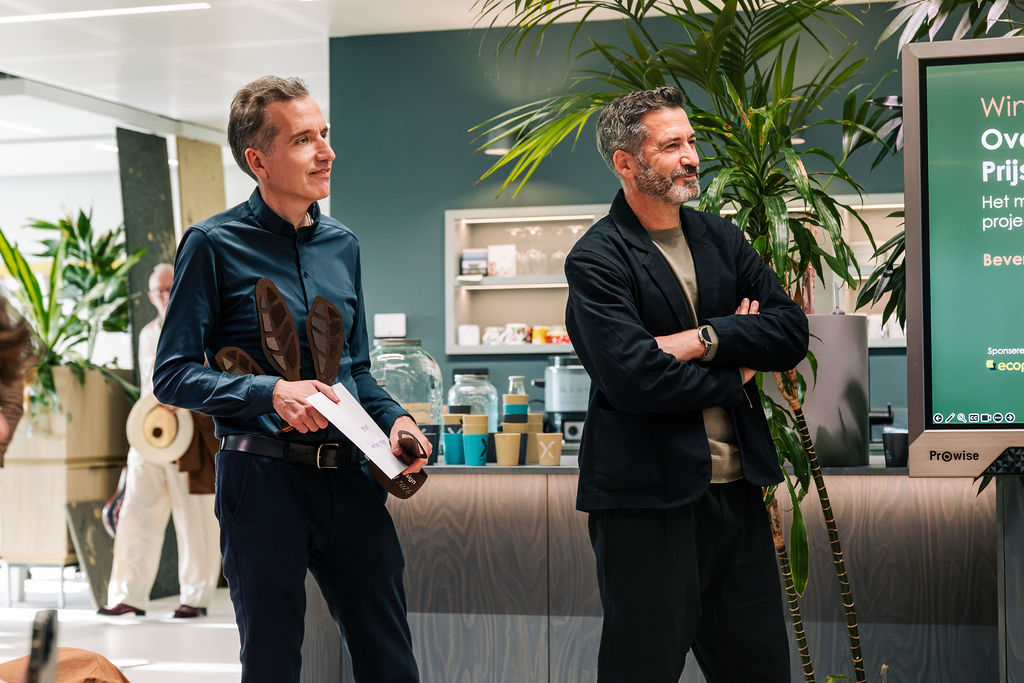
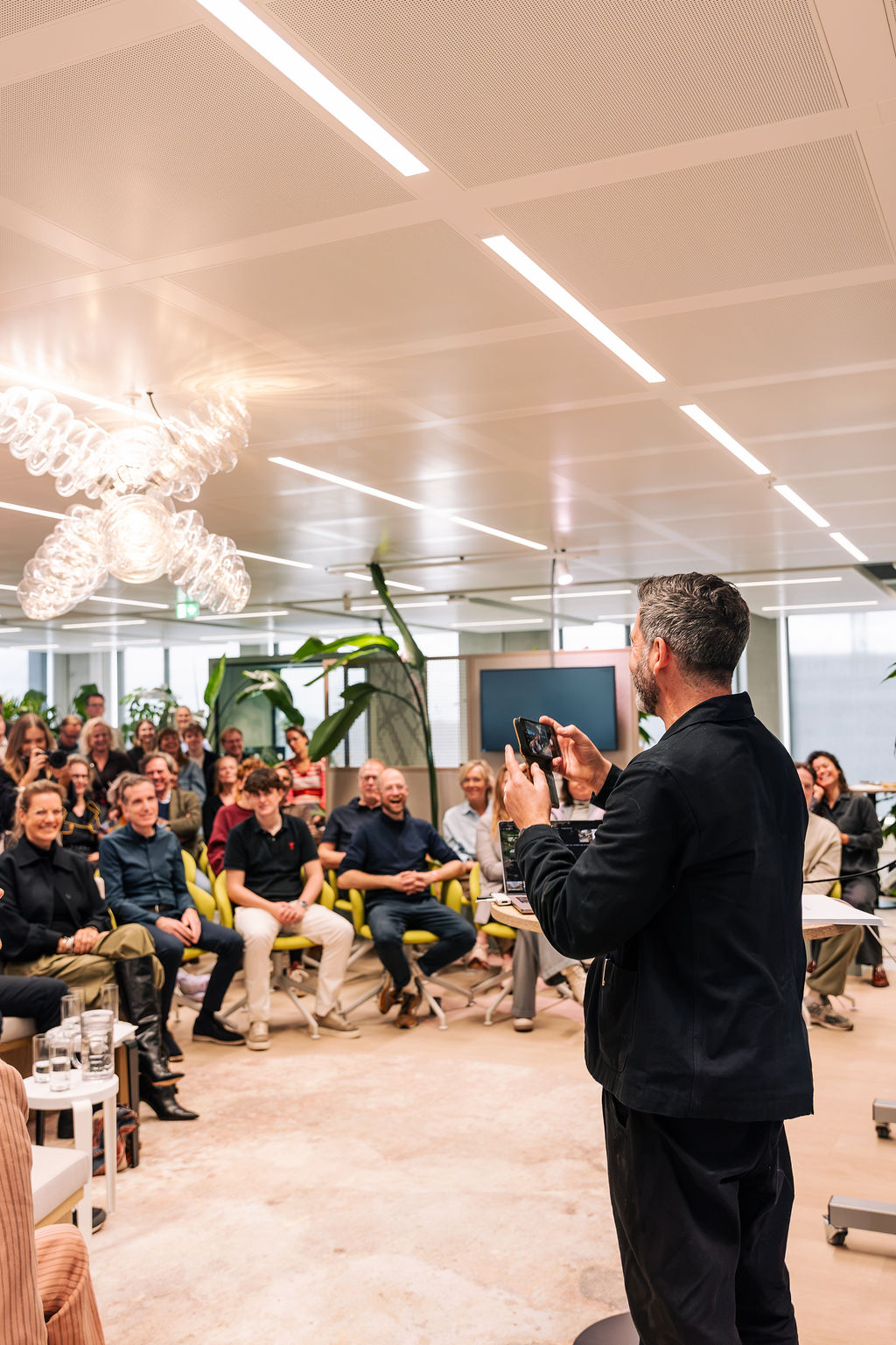
On the 22nd of October, Oliver Heath travelled to Eindhoven to take part in the inaugural Dutch Biophilic Design Awards, held during Dutch Design Week. As chair of the international judging panel and keynote speaker, Oliver joined fellow experts to celebrate projects reconnecting people with nature through thoughtful design.
Hosted at Sweco's offices on Strijp-S, the awards attracted 40 entries, with nine projects shortlisted across 3 categories; architecture, interiors and product design.
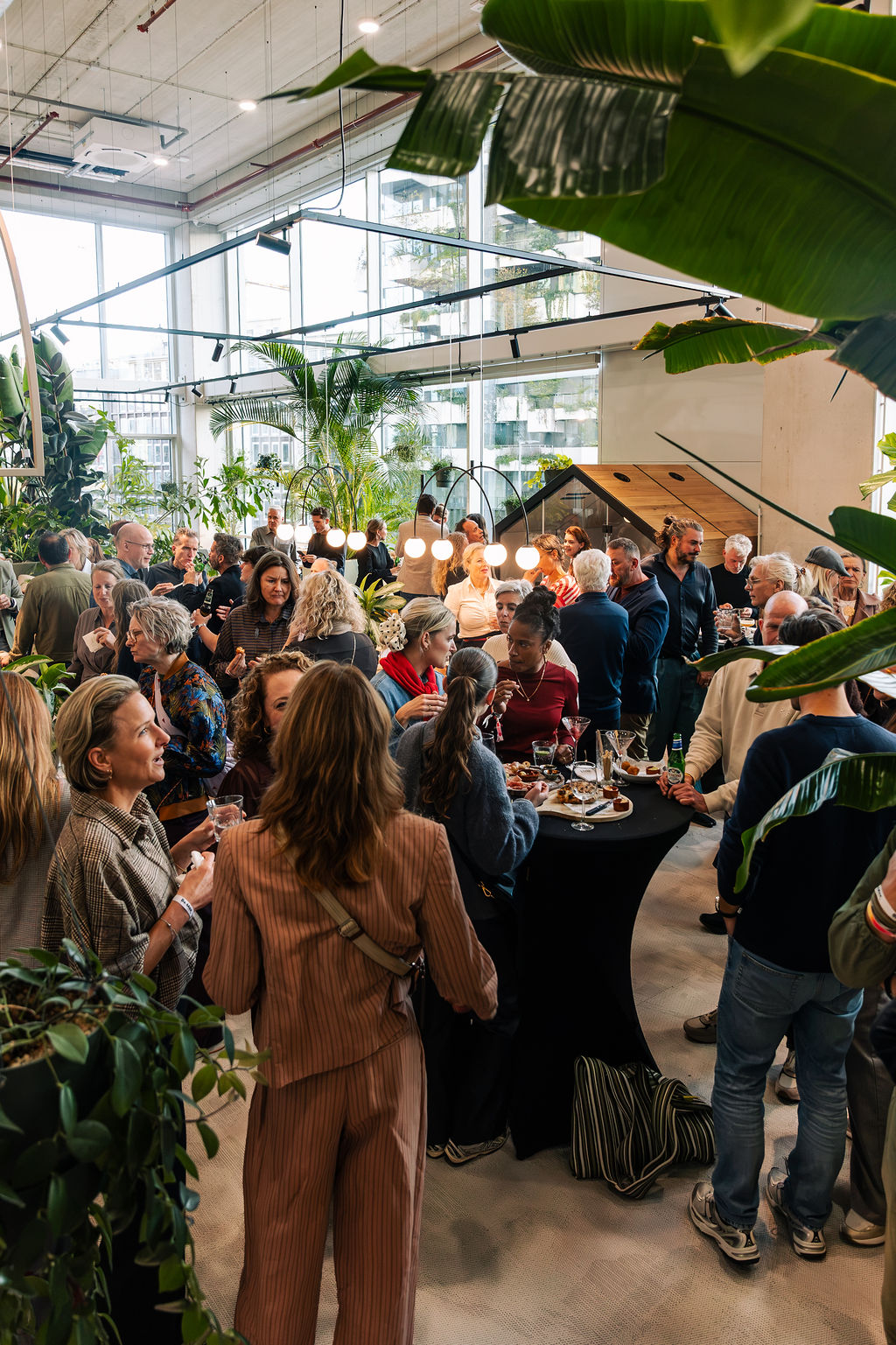
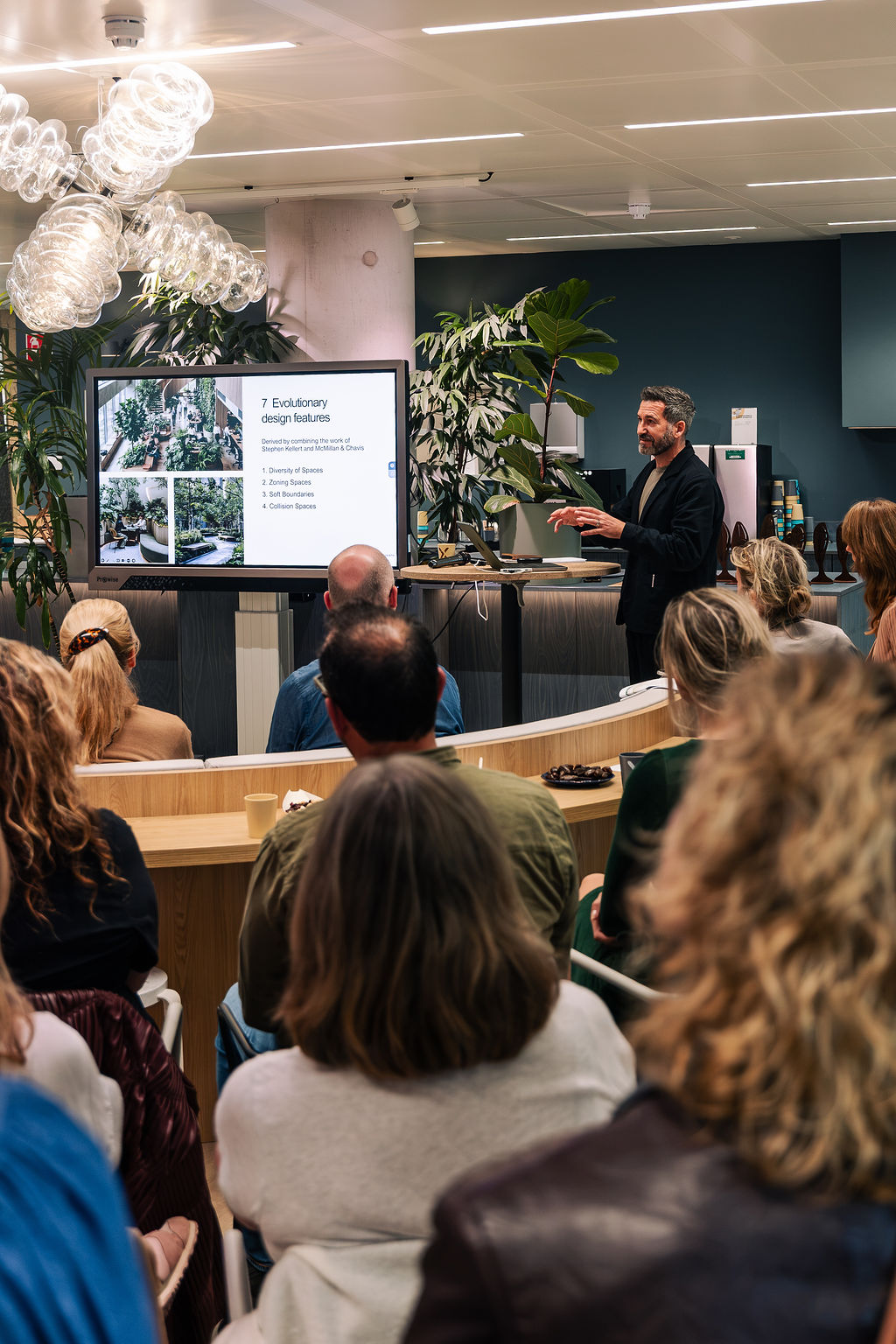
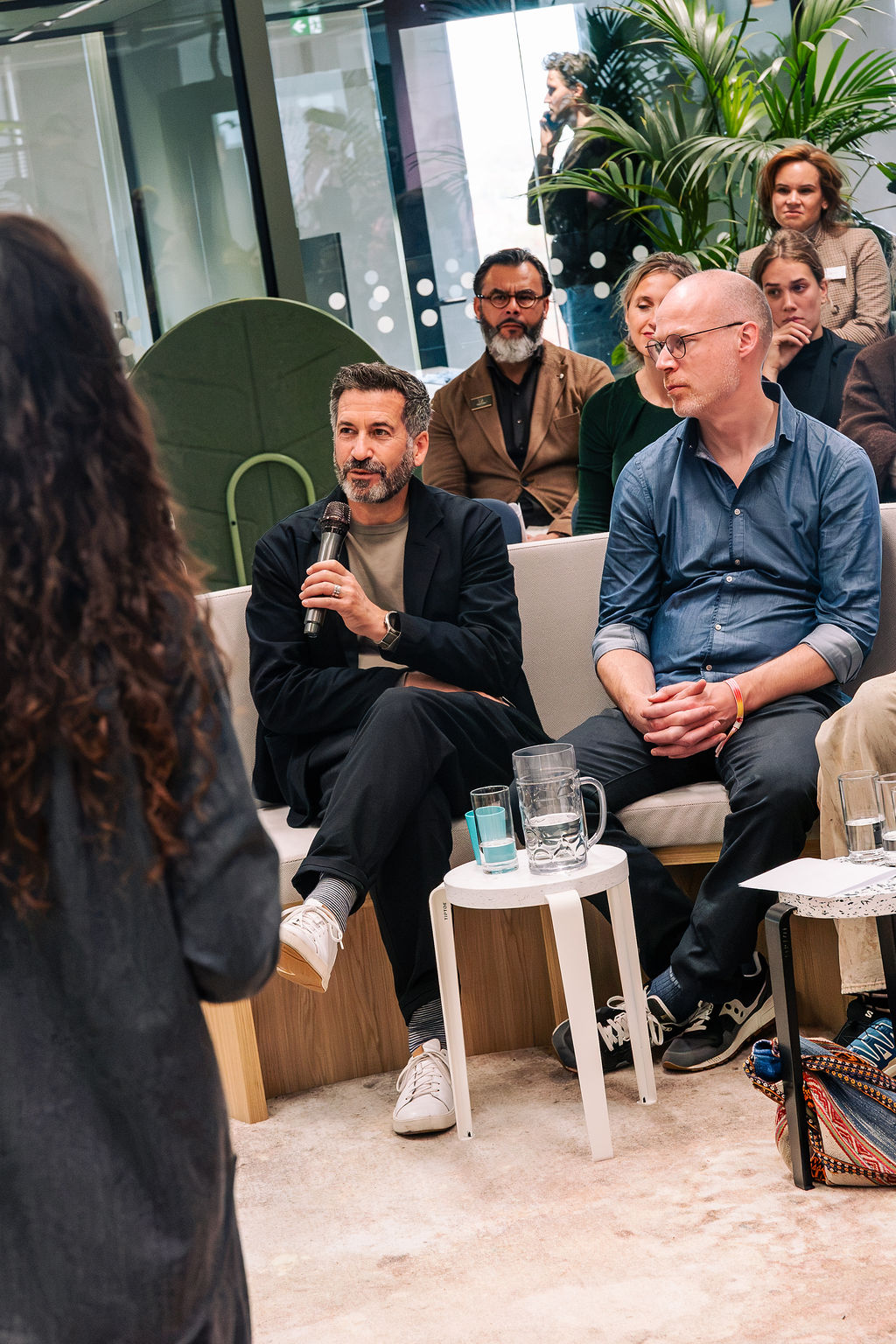
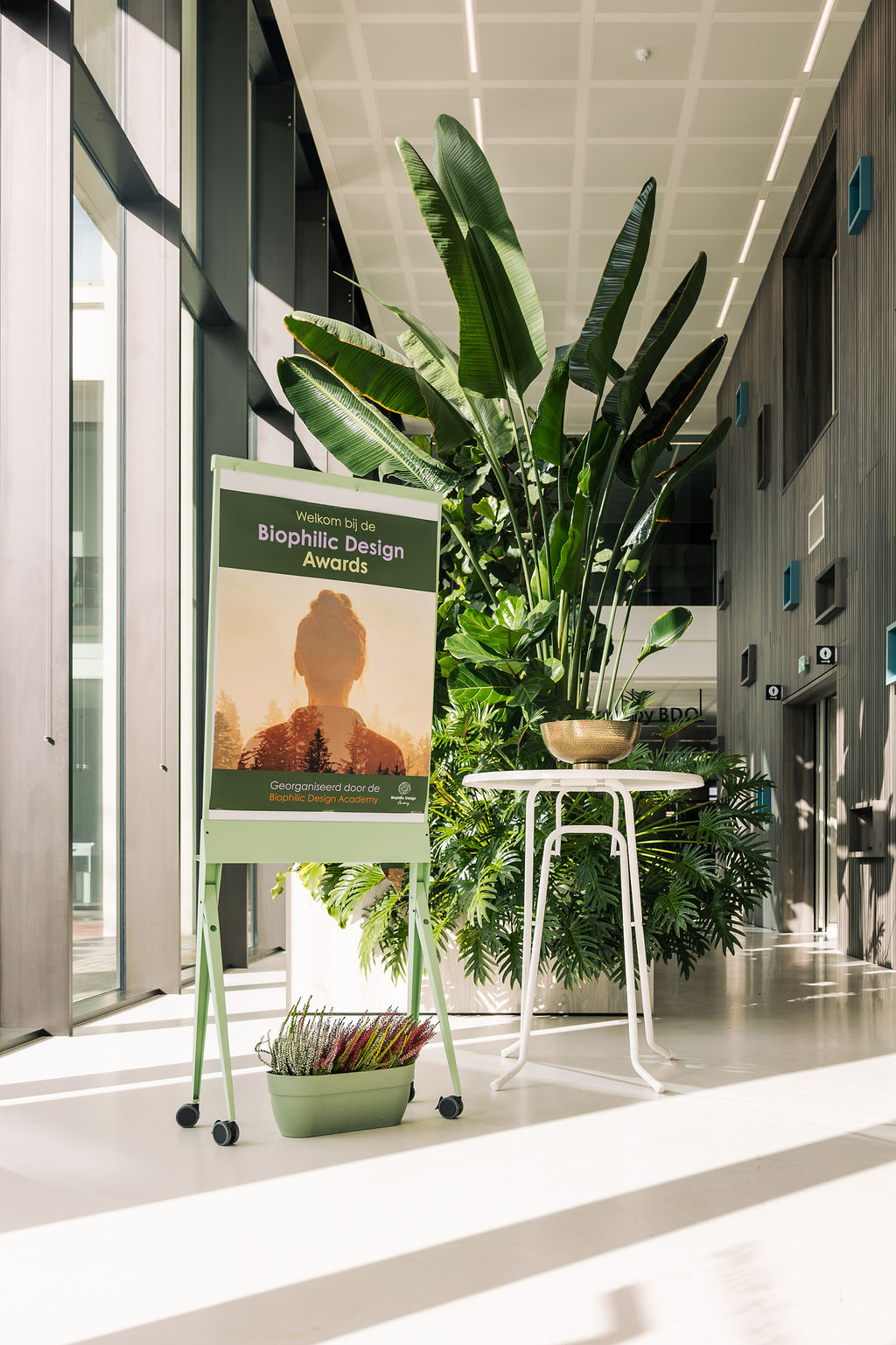
Event photo credit: Biophilic Design Academy & photographer Isa Jacobs
The awards recognised projects demonstrating how biophilic design can create healthier, more engaging and sustainable environments.
The judging process considered how effectively each entry connected people with nature, supported human wellbeing, embraced sustainable materials and engaged the senses.
Importantly, biophilic design is about much more than introducing plants into a building. It's about understanding our innate relationship with nature and translating that understanding into spaces, materials and experiences that help people thrive.
Three category winners and an overall winner were announced at the ceremony.
Architecture winner:
Winner: Gemeentehuis Krimpenerwaard, by DOORArchitecten + Ector Hoogstad Architecten
Recognised for its integration of nature, timber construction, natural daylight and connections with the surrounding landscape.
Interior winner:
WTC Amsterdam Lobby, by TANK
Transforming a cavernous hall into a welcoming human scaled social environment through planting, natural materials and thoughtful spatial design.
Product Design winner:
WaterLand, by Natasja van der Meer
A creative exploration of local natural materials, using Dutch reed and wood to produce handcrafted furniture without glue or screws.
Overall Winner:
Bever Basecamp, by KuóStudio
The overall award went to Bever Basecamp in Pijnacker, whose headquarters combine natural materials, daylight, trees and spaces that encourage connection with the outdoors. Its repair facilities alsobring sustainability into everyday working life.
Together, the winning projects demonstrate how biophilic principles can be applied at every scale, from individual products to large workplaces and public buildings.
At Oliver Heath Design, we believe the most successful environments are those that recognise the fundamental relationship between people and nature.
Access to daylight, views of greenery, natural materials and sensory variety can all contribute to environments that support health and wellbeing. Alongside this, offering clarity, control and choice creates inclusive spaces that recognise different sensory needs and ways of experiencing the world.
The winning projects in the Biophilic DesignAwards offered inspiring examples of how these principles are becoming increasingly embedded in contemporary design practice.
Event photo credit: Biophilic Design Academy & photographer Isa Jacobs
The Netherlands has long been an important source of inspiration for the biophilic design community, and these inaugural awards provide another opportunity to showcase the creativity, ambition and innovation taking place across the country.
For Oliver, his keynote speech investigating“the Future of Biophilic Design” was an opportunity to contribute to this growing international conversation and celebrate the designer’s putting nature and human wellbeing at the heart of their work.
As demand for healthier, more sustainable and inclusive environments continues to grow, it's encouraging to see biophilic design becoming an increasingly important part of how we shape the built environment.
Congratulations to all the shortlisted practices and winners. We look forward to seeing how this movement continues to grow.

