
28th October 2026 • 4 min read
The numbers are striking.
But the real story lies in the gap between them.
Imagine designing a workplace, school, healthcare environment or public space without fully understanding the needs of the people using it.
Most organisations would recognise that as a risk.
Yet when it comes to neurodiversity, many businesses may not fully understand the diversity of experiences within their own workforce.
The important question isn't whether a specific percentage is accurate for every organisation.
The question is:
How well do we really understand the people using our spaces?

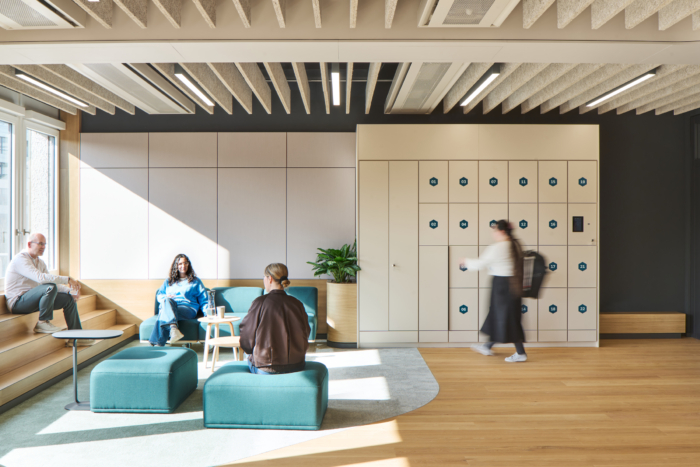
Most organisations collect data on occupancy, utilisation and employee engagement.
Understanding how people experience a space is often much more difficult.
Two people sitting in the same workplace can have completely different experiences.
What feels energising and productive for oneperson may feel distracting, stressful or overwhelming for another.
This is particularly relevant when considering neurodiversity.
Different neurotypes, including ADHD, autism, dyslexia and other cognitive differences can influence how people experience:
The challenge is not identifying every individual need.
The challenge is recognising that human needs are far more diverse than we often assume.
One of the most important principles of neuroinclusive design is understanding that:
There is no single sensory environment that works optimally for everyone, all of the time.
Traditional workplace design has often focused on standardisation, with a “one size fits all” approach.
However, people differ in how they process information, interact with others and respond to their surroundings.
The most successful environments do not force everyone to work in the same way.
Instead, they provide options.

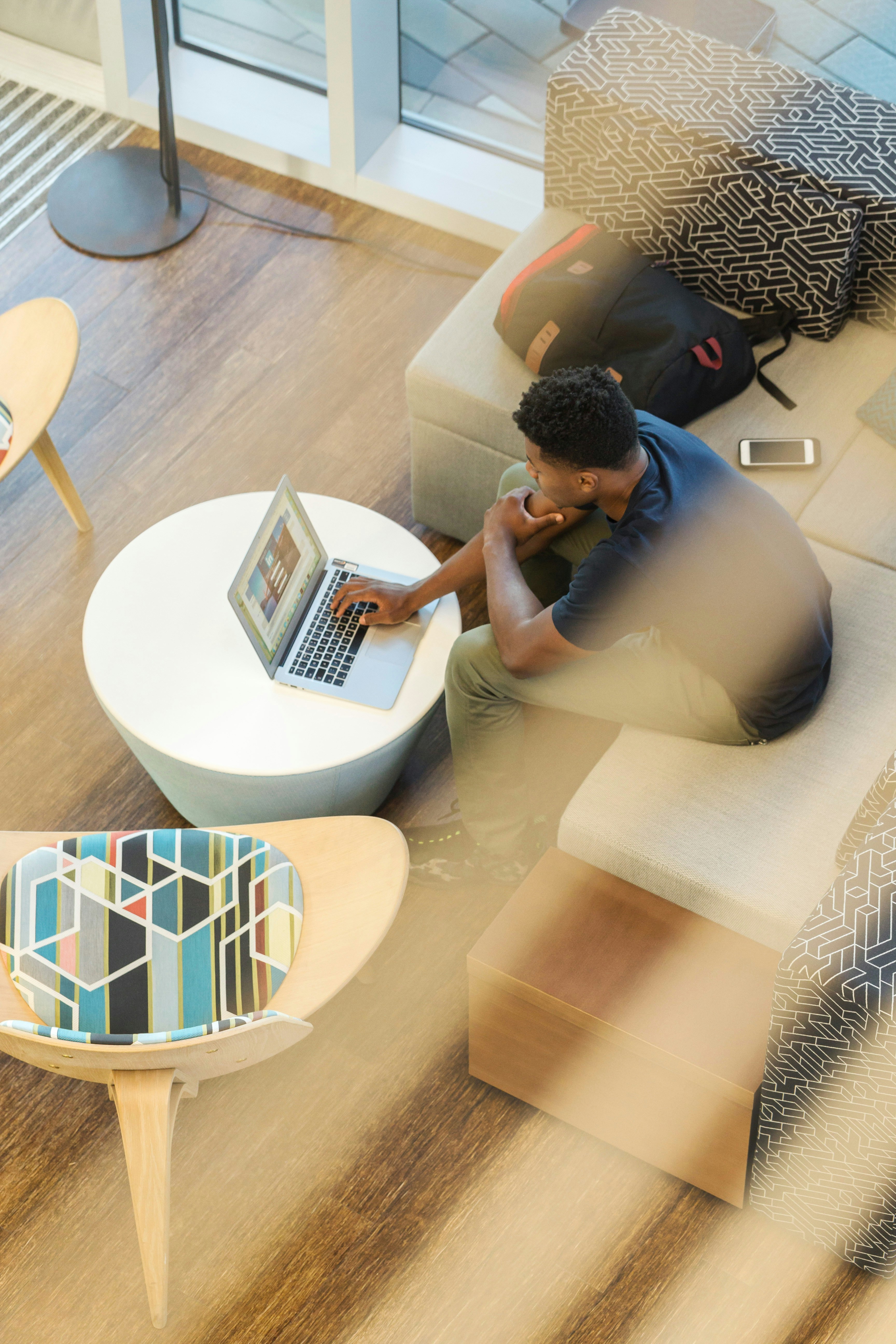
The goal is not to create a different space for every individual.
The goal is to create environments that offer greater choice.
Successful neuroinclusive environments often include:
When people can choose and adapt the environment that best supports the task at hand, buildings tend to work better.
Not just for neurodivergent individuals.
For everyone.
Forward-thinking organisations increasingly recognise that neuroinclusive and biophilic design are not simply wellbeing initiatives.
They are business tools.
Better environments can positively influence:
Ultimately, the goal is not simply to make people comfortable.
It is to help people perform at their best.
Biophilic design supports neuroinclusive environments by creating spaces that help reduce unnecessary stress and sensory overload.
Examples include:
These elements can help create calmer, healthier and more adaptable environments that support a wider range of users.
Importantly, they benefit far more than asingle group of people.
They improve the experience of a space for everyone.
What is neuroinclusive design?
Neuroinclusive design creates environments that accommodate a wide range of cognitive, sensory and behavioural needs, helping more people feel comfortable, supported and able to perform effectively.
What is neurodiversity?
Neurodiversity refers to the natural variationin how people's brains process information, learn, communicate and experience the world.
Why is neuroinclusive workplace design important?
Neuroinclusive workplaces can improve wellbeing, productivity, employee experience and talent retention by offering greater flexibility and choice.
How does biophilic design support neurodiversity?
Biophilic design can help reduce stress, improve wellbeing and create more restorative environments through daylight, nature connection, natural materials and sensory balance.
The gap between 3% and 53% serves as a powerful reminder.
People are more diverse than we often realise.
The most successful organisations recognise this reality and design environments accordingly.
Rather than assuming everyone works, learns or experiences a space in the same way, they create places that offer flexibility, choice and control.
Because when we design for human diversity, we create environments that work better for everyone.
If a workplace, school, healthcare environment or public space is not delivering the outcomes you expected, it may be worth asking a simple question:
Are you designing for the people you think are using the space, or the people who actually are?
Oliver Heath Design helps organisations create human-centred, neuroinclusive and biophilic environments that support better experiences, better wellbeing and better outcomes.

